News release
American Critical Minerals Reports High Grade Potash Intersection of 6.55m Grading 38.51 wt.% KCl at its Green River Project, Utah
Discuss on
 $KCLI.CN
Loading live prices…
Loading live prices…
VANCOUVER, BC / ACCESS Newswire / November 19, 2026 / American Critical Minerals Corp. ("American Critical Minerals" or the "Company") (CSE:KCLI)(OTCQB:APCOF)(Frankfurt:2P3) is pleased to announce that it has received assay results from the Duma Point AP-S-02 well, at the Company's Green River Project located 20 miles northwest of Moab, Utah. The highest-grade assay results returned a composite grade of 42.94 weight per cent ("wt.%") KCl over 2.1 metres ("m") (7 feet) within the Cycle 5 potash member. Geochemical assay data confirm robust potash bed thicknesses and grades, underscoring the high-grade characteristic of the potash mineralization within this area of the Green River Project and the Paradox Basin.
HIGHLIGHTS
- Assay results and downhole wireline geophysical logs returned a composite grade of 38.51 wt.% KCl over 6.55m or 21.5 feet within the Cycle 5 potash member. High-grade potash with meaningful thickness has now been confirmed at the Green River Project.
- Results represent an 11% increase in thickness and a 51% increase in grade compared with the historic Quintana Fed 1-1 well located 600m (~ 2,000 feet) east-northeast of the current well 1 .
- Includes a high composite grade intersection of 42.94 wt.% over 2.1m (6.9 feet).
- The presence and continuity of sylvite mineralization within the Cycle 5 potash bed now de-risks the historical potash data reported on and available from within the Green River Project.
- Potash results compare favorably to reported grades from the nearby Moab Solution Mine which produces potash from the same Cycle 5 potash bed 5 .
- Potash results from the inaugural well on the Green River Project have delivered one of the highest-grade potash intersections globally.
Dean Pekeski, President and CEO stated, "Having completed our inaugural drill program at the Green River Project and we are extremely happy with the results. The potash results are exceptional and highlight the strong pedigree we believed exists within this Property. The significant improvement in both potash grade and thickness versus what was drilled historically validates our targeting exercise and bodes well for future resource delineation. This is a defining moment for our Company and represents the first step in moving this Project forward. Planning for an additional 1-2 wells will commence now with the goal being to generate an NI 43-101 compliant resource and Scoping Study. The Green River Project is progressing while the United States recognizes that critical need for secure fertilizer supply chains."
The Duma Point AP-S-02 Well
The purpose of the Duma Point AP-S-02 well (the "well") was to validate historic drill data and test, through coring and brine sampling, the key Paradox formation potash horizons as well as the clastic brine-bearing zones for lithium and bromine in the Paradox and Leadville formations. Figure 1 shows the location of the Duma Point AP-S-02 well.
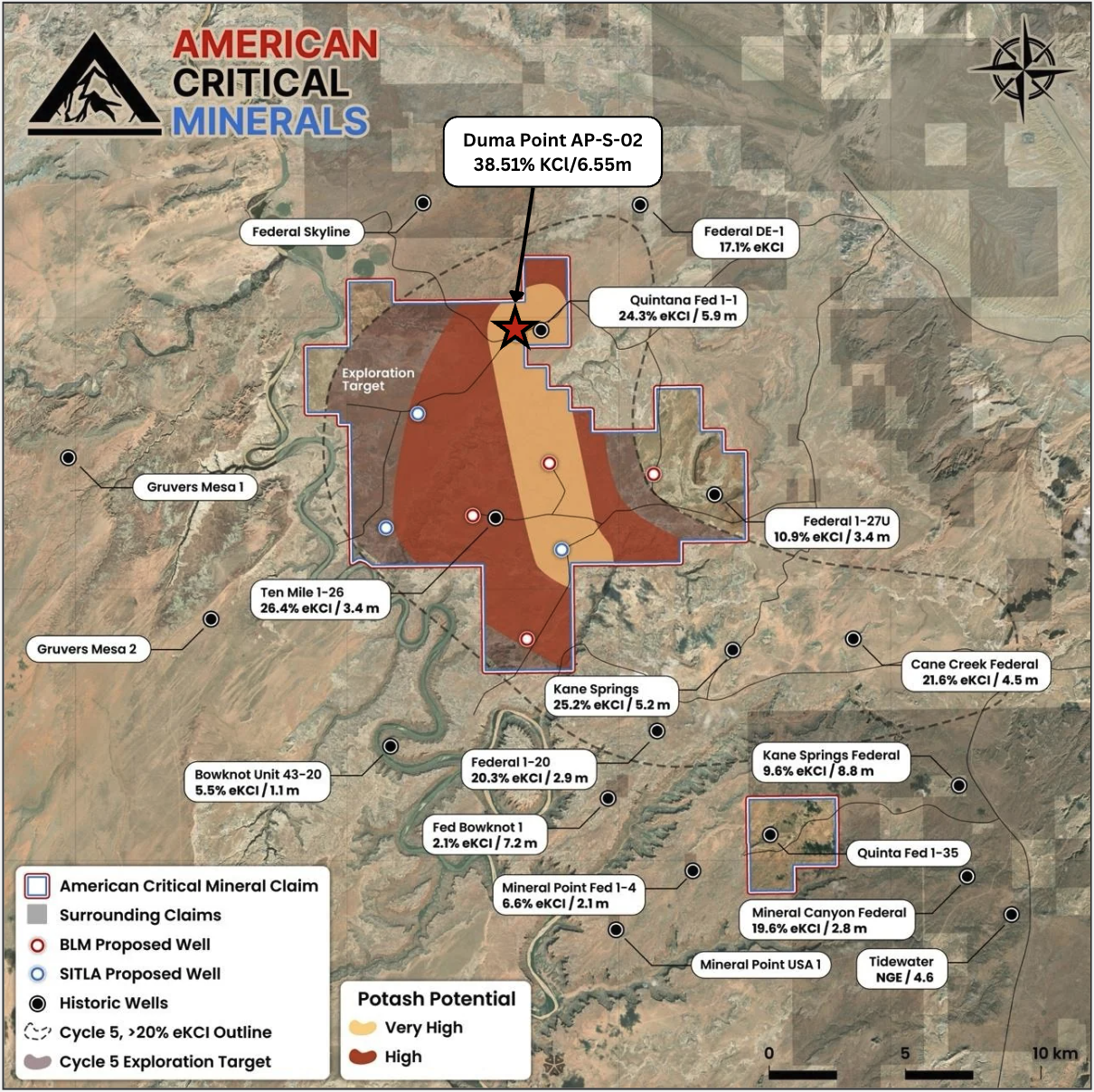
Figure 1. - Location map showing the Duma Point AP-S-02 well
Coring operations targeting the Cycle 5 potash member commenced at a depth of 1,741m (5,712 feet) below surface. The core run was planned to recover 45.72m (150 feet) of 4-inch drill core. Due to tight hole conditions causing core loss, core recovery was limited to 25.25m (82.85 feet) with the bottom 20.47 metres (67.15 feet) being lost in the hole. The cored interval did successfully recover 5.54m (18.17 feet) of sylvite mineralization from the Cycle 5 potash member.
To complement the core recovery and aquifer identification, the Company acquired a comprehensive suite of downhole wireline geophysical logs ( "e-logs") to characterize the subsurface stratigraphy and support interpretation of the targeted potash and brine bearing intervals 6 .
The Duma Point AP-S-02 reached a total depth of 2,818 metres (9,245 feet). The well has been cemented and abandoned according to requirements and stipulations found within the State permit for the well, and the drill rig was demobilized on September 25, 2026.
Potash Results
In total, 5.54m (18.17 feet) of sylvite mineralized drill core from the Cycle 5 potash member was recovered (see Figure 2 and Table 1). The downhole wireline geophysical logs show that 1.01m (3.33 feet) of potash mineralized core was lost, meaning that the Cycle 5 potash intersection cut by the well was 6.55m (21.5 feet). In the absence of assays from the lost section of Cycle 5 potash core, downhole wireline geophysical logs results were used to determine the potash content for that interval. 6 There was a strong correlation between the assay results and the downhole wireline geophysical logs for the cored interval.
| Sample | Sample Depth | Sample Depth | Sample Thickness | K 2 O | KCl | MgO |
| ACM-P5-#003 | 5776.68 | 5777.50 | 0.82 | 22.4 | 33.80 | 0.01 |
| ACM-P5-#004 | 5777.50 | 5778.00 | 0.50 | 31.5 | 47.53 | 0.01 |
| ACM-P5-#005 | 5778.00 | 5779.00 | 1.00 | 29.5 | 44.52 | 0.01 |
| ACM-P5-#006 | 5779.00 | 5780.00 | 1.00 | 15.1 | 22.79 | 0.01 |
| ACM-P5-#007 | 5780.00 | 5781.00 | 1.00 | 26.7 | 40.29 | 0.01 |
| ACM-P5-#008 | 5781.00 | 5782.00 | 1.00 | 23.7 | 35.76 | 0.01 |
| ACM-P5-#009 | 5782.00 | 5783.00 | 1.00 | 26.8 | 40.44 | 0.01 |
| ACM-P5-#010 | 5783.00 | 5784.00 | 1.00 | 32.7 | 49.34 | 0.01 |
| ACM-P5-#011 | 5784.00 | 5785.00 | 1.00 | 29.7 | 44.82 | 0.01 |
| ACM-P5-#013 | 5785.00 | 5786.00 | 1.00 | 31.6 | 47.68 | 0.01 |
| ACM-P5-#014 | 5786.00 | 5787.00 | 1.00 | 28 | 42.25 | 0.01 |
| ACM-P5-#015 | 5787.00 | 5788.00 | 1.00 | 18.5 | 27.92 | 0.01 |
| ACM-P5-#016 | 5788.00 | 5789.00 | 1.00 | 26.1 | 39.38 | 0.01 |
| ACM-P5-#017 | 5789.00 | 5790.00 | 1.00 | 20.3 | 30.63 | 0.01 |
| ACM-P5-#018 | 5790.00 | 5791.00 | 1.00 | 24 | 36.22 | 0.01 |
| ACM-P5-#019 | 5791.00 | 5792.00 | 1.00 | 28.9 | 43.61 | 0.02 |
| ACM-P5-#020 | 5792.00 | 5793.00 | 1.00 | 22.6 | 34.10 | 0.01 |
| ACM-P5-#021 | 5793.00 | 5794.00 | 1.00 | 5.73 | 8.65 | 0.01 |
| ACM-P5-#023R | 5794.00 | 5794.85 | 0.85 | 25.5 | 38.48 | 0.01 |
| e-log** | 5794.85 | 5798.18 | 3.33 | 19.43 | 29.32 | N/A |
Table 1: AP-S-02 Assay Results
The vertical well was drilled at Lat: 38.749405, Long: -110.0044758. Based on downhole directional drilling tests and the vertical nature of the stratigraphy interpreted from seismic data the samples are believed to represent true thickness. The 5,794.85-to-5,798.18-foot interval was dropped/lost. Results for this interval are reported from e-logs.
The drill core and completed wireline data confirmed the presence of the Cycle 5 potash unit consistent with historic drilling results from the Quintana Fed 1-1 well, located approximately 0.6 kilometres (~ 2,000 feet) east-northeast of the current well. The Quintana Fed 1-1 well intersected the Cycle 5 potash bed reporting a grade of 24.3% eKCl from elogs over a thickness of 5.9m (19.4 feet).
Recovered core was logged, photographed, sampled, and transported from Rapid City to the Saskatchewan Research Council laboratories in Saskatoon, Saskatchewan, for geochemical analysis. Twenty-one halved core samples were collected and shipped under the supervision of qualified independent geological personnel for analysis using industry-standard procedures. Quality assurance and quality control protocols included the insertion of blanks, standards, and duplicate samples throughout the sampling program. Assays were completed along the entire length of recovered core. Core was also retained for future geo-mechanical testing.
Assays from the recovered drill core returned a composite grade of 35.4 wt.% KCl over 5.54m (18.17 feet) in the Cycle 5 potash member assuming a 5% K 2 O cut-off. Composite carnallite and insoluble content was very low with each reporting <0.1 wt.% and <1.0 wt.% respectively. Included in this assayed interval was a high-grade interval which comprised 2.1m (7 feet) of potash core with a composite grade of 42.94 wt.% KCl (5,780 to 5,787 feet). Table 1 summarizes the assay results from this drill hole.
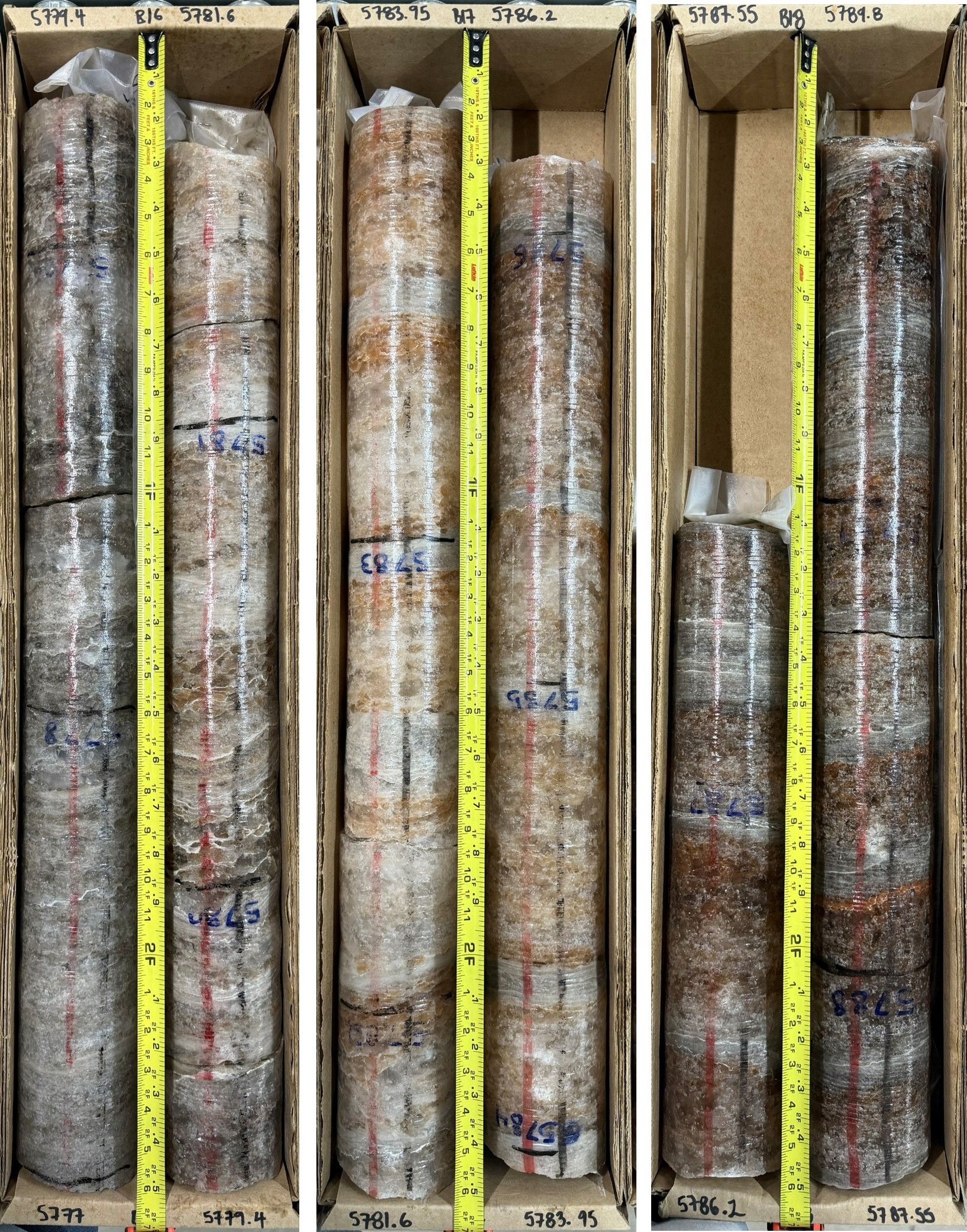
Figure 2. - Duma Point AP-S-02 photograph of high-grade zone drill core
Adjusting for the lost drill core, the Duma Point AP-S-02 assays and downhole wireline geophysical logs returned a composite grade of 38.51 wt.% KCl over 6.55m (21.5 feet) within the Cycle 5 potash member.
Geochemical assay data and grade interpretations from the e-logs confirm robust potash bed thicknesses and grades, underscoring the high-grade character of mineralization within this area of the Green River Project and Paradox Basin. Figure 3 shows how the grade from the Duma Point AP-S-02 well compares with average KCl grades from other potash projects in North America. The intersection reported represents an 11% increase in thickness and a 51% increase in grade compared with the historical e-logs from the Quintana Fed 1-1 well.
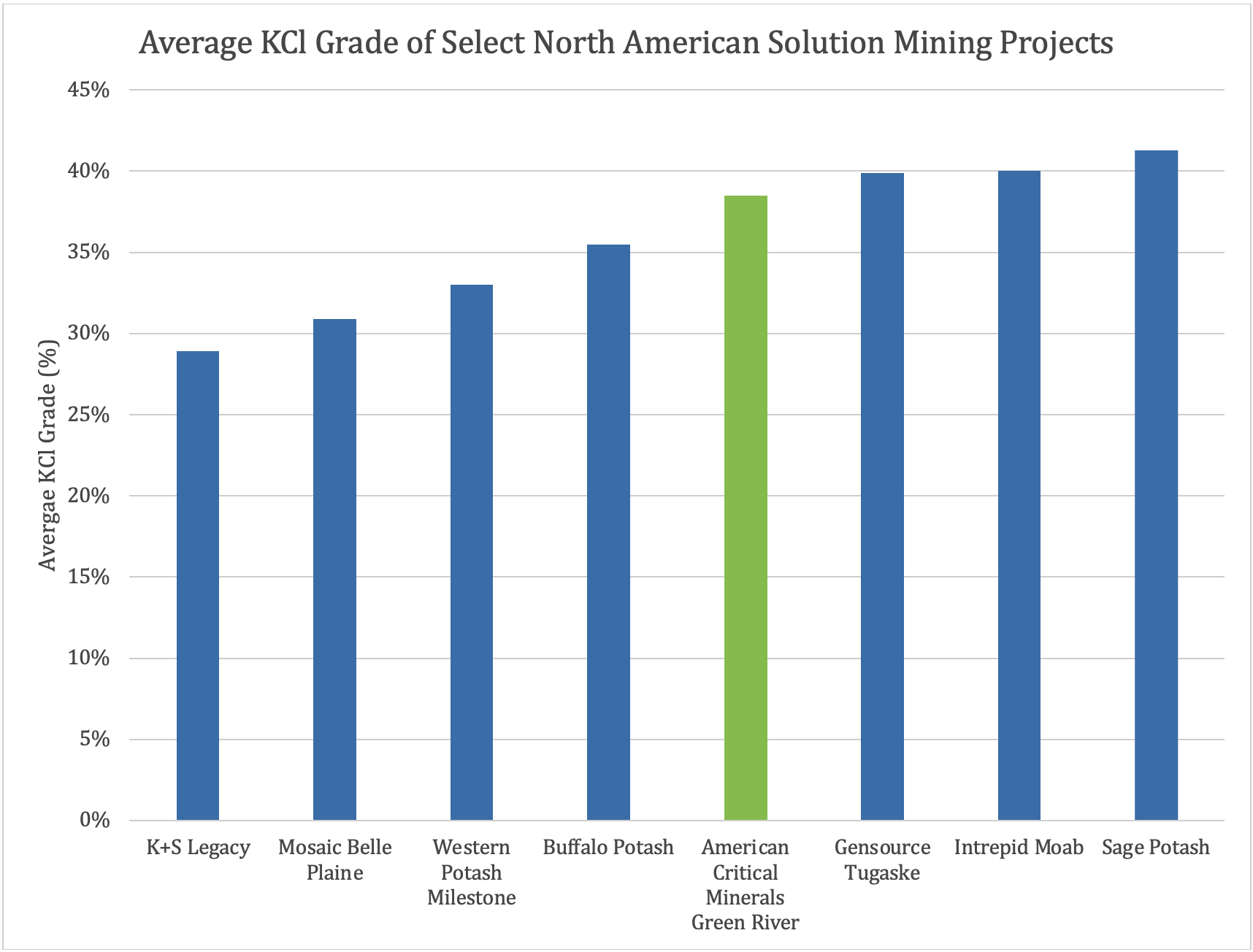
Figure 3. Average KCl Grade of Select North American Solution Mining Projects
Sources of information: K+S Aktiengesellshaft (former owner Potash One Corp.'s Technical Report for Mineral Permit KP 289 Saskatchewan by Agapito Associates, Nov. 10, 2010), Mosaic Company (Belle Plaine Technical Report, Dec. 31, 2024, Buffalo Potash Corp. (Disley Project, Technical Report April 15, 2026), Gensource Potash Corporation (Tugaske Project, Technical Report, Oct. 14, 2021), Intrepid Potash Corp (Technical Report Summary of the 2023 Estimated Resources and Reserves at Intrepid Potash-Moab, Dec. 31, 2023), Sage Potash Corp. resource information source (Sage Plain Technical Report, Sept 8, 2025 by RESPEC LLC), Western Potash Corp.'s NI 43-101 Technical Report dated December 29, 2021. The Company has no affiliation to any of these Companies or Projects.
Lithium and Bromine Aquifers
Two short-duration drill stem packer tests were completed targeting the Leadville Formation limestone unit (2,670 to 2,815 m or 8,760.2 to 9,236 feet), and lower clastic units of the Paradox Formation (2,144 to 2,181m or 7,035 to 7,155 feet). Although brine was successfully sampled from the Leadville Formation test, meaningful lithium and bromine results were not obtained. Future longer duration pumping tests could provide different results. The sample collected from the Paradox Formation was contaminated with drilling fluids/mud and deemed to be inconclusive. Given these results and the high-cost nature of drilling to these depths, the Company will re-evaluate future drilling and sampling programs within these deep zones.
On behalf of the Board of Directors
Dean Pekeski, President & CEO
T 604 551 9665
E dpekeski@acmineralscorp.com
About American Critical Minerals' Green River Potash and Lithium Project
The Green River Project is situated within Utah's highly productive Paradox Basin, located 20 miles northwest of Moab, Utah. It has significant logistical advantages including close proximity to major rail hubs, airport, roads, water, towns, and labour markets. It also benefits from close proximity to the agricultural and industrial heartland of America and numerous potential end-users for its products.
The history of oil and gas production across the Paradox Basin provides geologic data from historic wells across the Project, and the wider Basin, validating and de-risking the potential for high grade potash and large amounts of contained lithium. Wells in and around the project reported lithium up to 500 ppm, bromine up to 6,100 ppm and boron up to 1,260 ppm (Gilbride & Santos, 2012). This data is reinforced by nearby potash production and the advanced stage of neighbouring lithium projects. The Paradox Basin is believed to be one of the biggest sources of lithium brines in the United States. (Source: AnsonFastmarketsPresentation- https://wcsecure.weblink.com.au/pdf/ASN/02823465.pdf ) .1
The Company has disclosed targets for further exploration at the Green River Project consisting of 500 million to 950 million tonnes of sylvinite (the most important source for the production of potash in North America) 4 grading from 12% to 18% potassium oxide based on elog (eK2O=19% to 29% potassium chloride based on elog (eKCl)). Its target for further exploration for Lithium and Bromine is 2.1 billion cubic meters brine volume grading 71.6 to 216.3 ppm Li and 3,656 to 4,741 ppm Br. 2
The Company holds a 100% interest in eleven SITLA mineral and minerals salt leases covering approximately 7,050 acres, 1,094 federal lithium brine claims (BLM Placer Claims) covering 21,150 acres, and 11 federal (BLM) potash prospecting permits covering approximately 25,480 acres. Through these leases, permits and claims the Company has the ability to explore for potash, lithium, and potential by-products across the entire Green River Project (approx. 32,530 acres). The Company is authorized to drill a total of 7 drill holes across the Green River Project.
America's largest potash company and only U.S. domestic potash producer currently produces potash from its nearby Moab Solution Mine, which the Company believes provides strong evidence of stratigraphic continuity within this part of the Paradox Basin 5 . Anson Resources Ltd. has advanced lithium development projects contiguous to the northern boundary of our Green River Project and neighbouring to the south. 5 Anson has a large initial resource, robust definitive feasibility study and has recently completed successful piloting operations through its partnership with Koch Technology Solutions, as well as an offtake agreement with LG Energy Solution. The Anson exploration targets encompass the combined Mississippian Leadville Formation and the Pennsylvanian Paradox Formation brine-bearing clastic layers, which also underlie American Critical Minerals' entire project area (www.ansonresources.com). 3
The United States imports more than 90% of its potash demand (U.S. Geological Survey, Mineral Commodity Summaries, January 2025). In November 2025, the Department of Interior added potash to its list of Critical Minerals which already includes lithium. Recent market estimates suggest that the global potash market is over US$50 billion annually and growing at a compound annual growth rate ("CAGR") of close to 5%. Annual lithium demand is now estimated to be over 1 million tonnes globally and continuing to grow rapidly. 4
Qualified Person
The scientific and technical content of this news release has been reviewed, verified, and approved by Dean Besserer, P.Geo., the Chief Operations Officer of the Company and a qualified person for the purposes of NI 43-101.
1 Historical data disclosed in this news release relating to historical wells from previous operators are historical in nature. Neither the Company nor a qualified person has yet verified this data and therefore investors should not place undue reliance on such data. The Company's future exploration work may include verification of the data. The Company considers historical results to be relevant as an exploration guide and to assess the mineralization as well as economic potential of exploration projects. Any historical well data disclosed are selective and may not represent true underlying mineralization. Please refer to the report titled "Amended and Restated NI 43-101 Technical Report, Green River Potash and Lithium Project, Grand County, USA' dated January 27, 2026, and available under the Company's profile at www.sedarplus.ca.
2 The potential quantity and grades are conceptual in nature and there has been insufficient exploration to define a mineral resource, and, while reasonable potential may exist, it is uncertain whether further exploration will result in the determination of a mineral resource under NI 43-101. Targets for further exploration for potash, lithium and bromine at the Green River Project are used to provide a conceptual estimate of the potential quantity and grade of a mineral deposit, based on known and additional limited geological evidence. It is an early-stage assessment that will help to guide further exploration, but it is not a mineral resource or mineral reserve and should not be treated as such. The report titled "Amended and Restated NI 43-101 Technical Report, Green River Potash and Lithium Project, Grand County, USA' dated January 27, 2026, and available under the Company's profile at www.sedarplus.ca provides details of the basis on which the targets for further exploration have been determined.
3 American Critical Minerals' management cautions that results or discoveries on properties in proximity to the American Critical Minerals' properties may not necessarily be indicative of the presence of mineralization on the Company's properties.
4 United States Geological Survey, Mineral Commodity Summaries, January 2024 (https://pubs.usgs.gov/periodicals/mcs2024/mcs2024-potash.pdf ).
5 The Company has no affiliation to Intrepid Potash or the Moab Mine or Anson Resources.
6 Downhole geophysical logs may be used to identify the presence of potash. Naturally occurring radioactivity derived from the potassium in the potash beds give a characteristic gamma ray signature that is commonly used in the industry to estimate grade. The correlation between gamma ray response and potassium content was chiefly advanced by Schlumberger, beginning in the 1960s with the interpretation of elogs in the Prairie Evaporite Formation in Saskatchewan. Schlumberger furthered this work and related log response to apparent K 2 O content. The established methodology developed by Schlumberger calculates K 2 O% combining gamma ray American Petroleum Institute (API) units and correcting to hole diameter (from caliper logs) and mud weight. Experience has shown good agreement between the estimation when compared with assay data.
CAUTIONARY STATEMENT REGARDING FORWARD-LOOKING INFORMATION
This news release contains forward-looking information or forward-looking statements within the meaning of applicable securities legislation. All statements, other than statements of historical fact, are forward-looking statements and are based on expectations, estimates and projections as at the date of this news release. Any statement that involves discussion with respect to predictions, expectations, beliefs, plans, projections, objectives, assumptions, future events or performance (often, but not always using phrases such as "plans", "expects", "is expected", "budget", "scheduled", "estimates", "forecasts", "intends", "anticipates", or "believes" or variations (including negative variations) of such words and phrases, or state that certain actions, events or results "may", "could", "would", "might" or "will" be taken, occur or be achieved) are not statements of historical fact and may be forward-looking statements. In this news release, forward-looking statements relate, among other things, to: statements with respect to the Company's future plans and potential of its mineral properties and anticipated drilling at the Green River Project; statements with respect to exploration results; and statements regarding future technical studies.
Although the Company believes that such statements are reasonable, it can give no assurances that such expectations will prove to be correct. All such forward-looking statements are based on certain assumptions and analyses made by the Company in light of their experience and perception of historical trends, current conditions and expected future developments, as well as other factors management believes are appropriate in the circumstances. Forward-looking statements also involve known and unknown risks, uncertainties and other factors which may cause the actual results, performance, or achievements of the Company to be materially different from any future results, performance or achievements expressed or implied by the forward-looking statements. Important factors that could cause actual results to differ from this forward-looking information include those described under the heading "Risks and Uncertainties" in the Company's most recently filed MD&A.
Forward-looking information contained herein are made as of the date of this news release and the Company does not intend, and expressly disclaims any obligation to, update or revise the forward-looking information contained in this news release, except as required by law. There can be no assurance that forward-looking statements will prove to be accurate, as actual results and future events could differ materially from those anticipated in such statements. Accordingly, readers should not place undue reliance on forward-looking statements.
Neither the Canadian Securities Exchange nor its Market Regulator (as that term is defined in the policies of the Canadian Securities Exchange) accepts responsibility for the adequacy or accuracy of this release.
SOURCE: American Critical Minerals Corp.
View the original press release on ACCESS Newswire